Seagrass Restoration Efforts Flourish Along Florida's Gulf Coast |
Innovative projects aim to rejuvenate vital marine habitats |
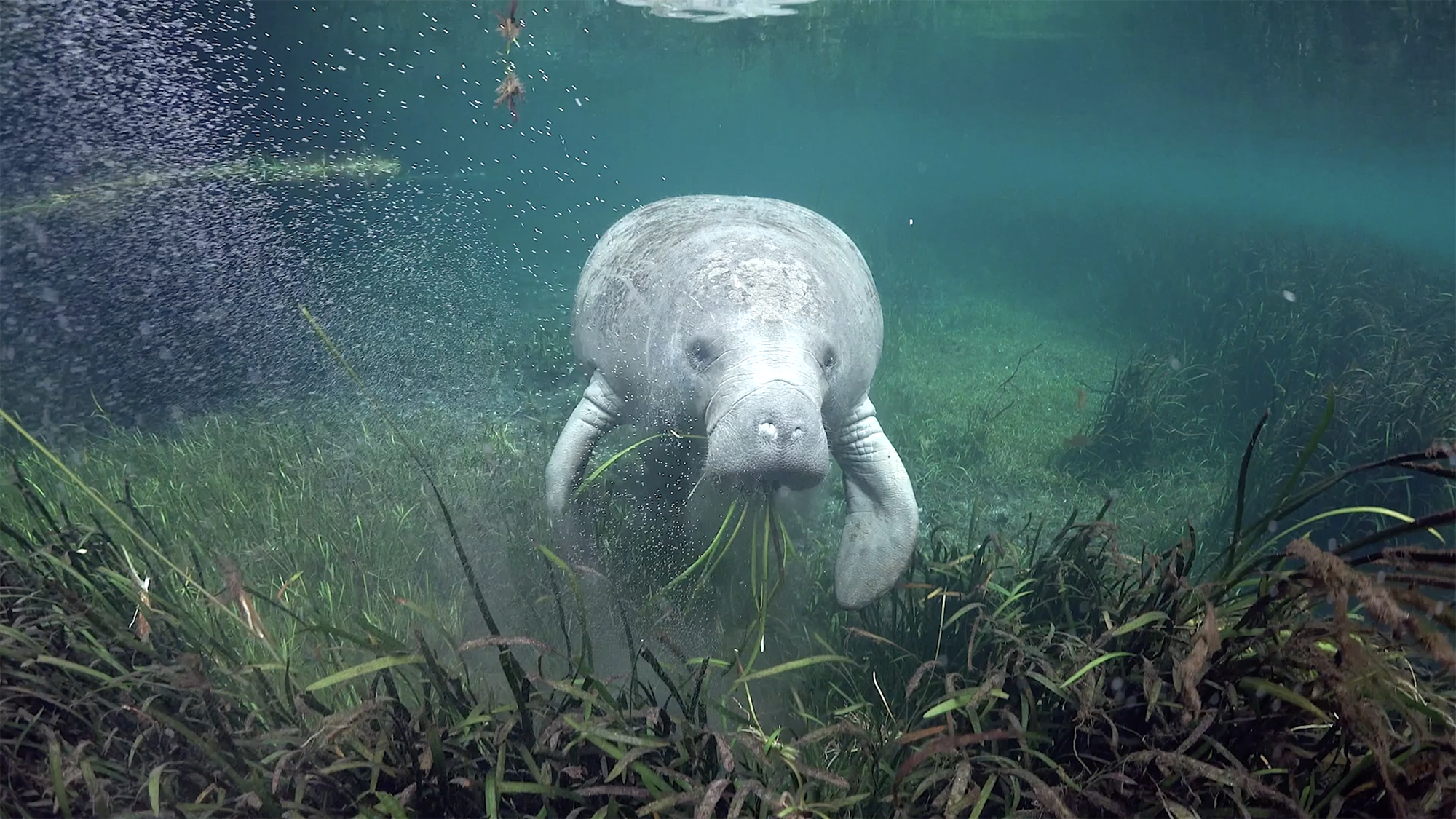 |
Seagrass meadows, essential to Florida's coastal ecosystems, are experiencing a resurgence thanks to dedicated restoration initiatives along the Gulf Coast.
In the Florida Panhandle, the Florida Seagrass Recovery Project is actively restoring damaged seagrass beds in St. Joseph Bay Aquatic Preserve. This effort involves surveying and mapping boat scars, deploying sediment tubes to facilitate seagrass regrowth, and installing bird stakes to naturally fertilize the area. These measures aim to rehabilitate approximately two acres of seagrass habitat, enhancing the bay's ecological health.
Further south, Sarasota Bay is witnessing a collaborative project between the Florida Fish and Wildlife Conservation Commission and the Gulf Shellfish Institute. This initiative focuses on co-restoring seagrass and southern hard clams. By introducing over 46,000 clams into designated plots, researchers aim to improve water quality and promote seagrass recovery, leveraging the clams' natural filtration abilities.
In the Florida Keys, the National Oceanic and Atmospheric Administration is leading a significant restoration project in the Northwest Ship Channel off Key West. Following a 2016 vessel grounding that damaged a large seagrass meadow, efforts are underway to rehabilitate the area by filling blowholes with sediment and planting seagrass shoots. This project underscores the importance of protecting and restoring seagrass habitats to maintain the region's marine biodiversity.
These restoration efforts are crucial, as seagrass meadows provide habitat for diverse marine life, stabilize sediments, and improve water quality. The success of these projects offers hope for the continued health and resilience of Florida's coastal ecosystems. |